
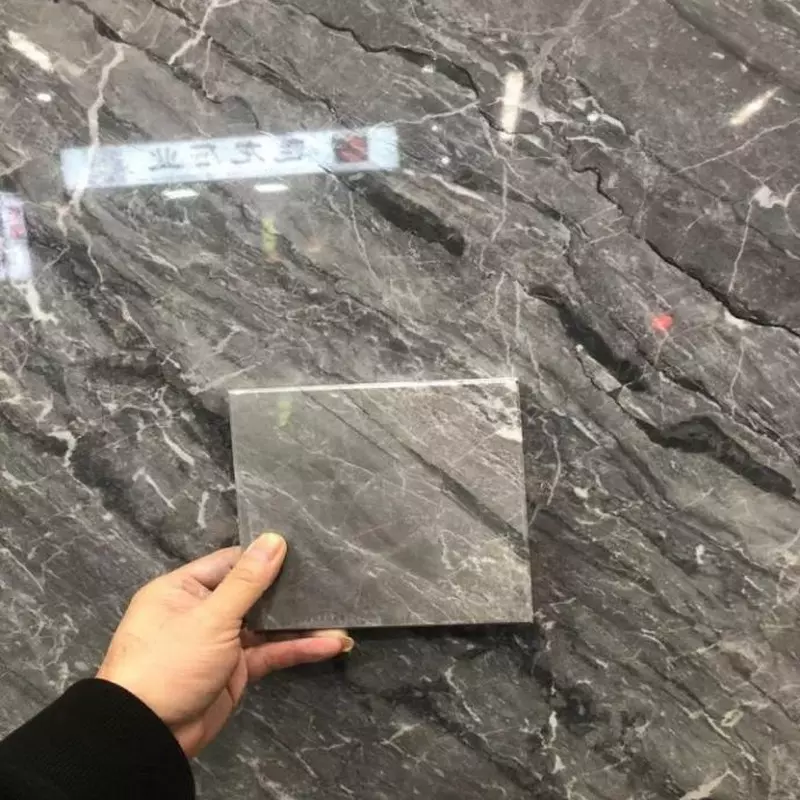
Product Details

Yunfu Meixi Stone Co., Ltd. is located in Yunfu District, Guangdong—China’s “Stone Capital.” The company operates multiple production bases, including one in the Bainigang area of Tongwei First Brigade, Tongwei Village Committee, Yuncheng Street, Yunfu City, which covers a total area of 10,000 ㎡.
The company integrates the management of stone blocks, product R&D, production and processing, and sales, specializing in the field of stone decoration. It can customize stone materials for interior wall and floor finishes, exterior curtain walls, and landscape hardscaping according to project requirements, while also crafting custom stone countertops for homes and meticulously creating stone art pieces.
Production Workshop
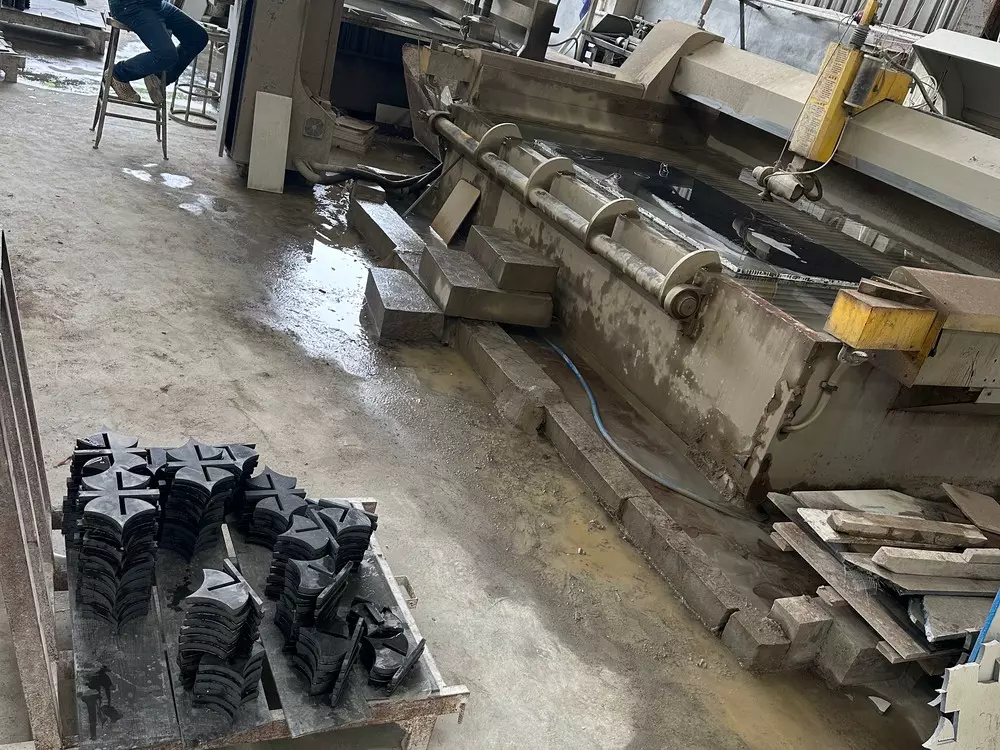



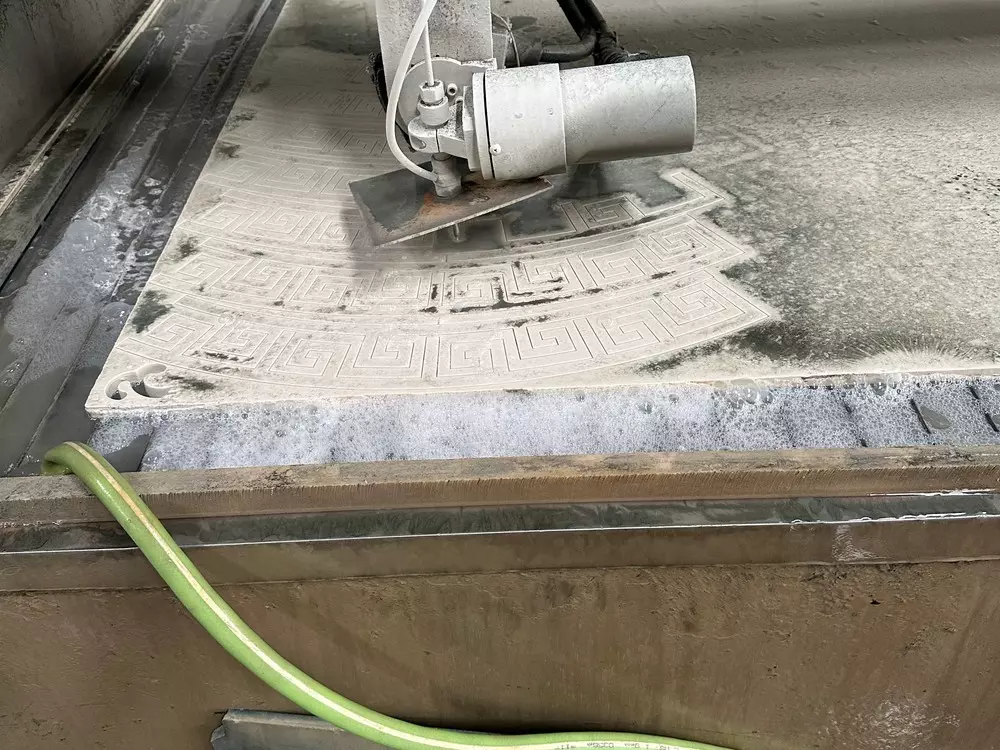

Related Certificates



FAQ
Q1: What are the standard dimensions and common thicknesses for marble slabs?
A: Slabs are generally 1.6–2.0 m wide and 2.8–3.3 m long, with common thicknesses of 18, 20, and 30 mm. Special thicknesses are available upon request.
Q2: How are marble slabs graded?
A: They are graded as A, B, or C based on veining, color variation, and imperfections: Grade A is the highest quality, while Grade C has more repairs and is lower in price.
Q3: What are the common surface finishes for marble slabs?
A: Polished, semi-polished, acid-washed, lychee/flame-treated, brushed, sandblasted, etc.; polished or semi-polished finishes are most commonly chosen for countertops.
Q4: What is the difference between granite and marble?
A: Granite is hard, has low water absorption, and is resistant to acids, alkalis, and freezing; it is suitable for outdoor use and kitchen countertops. Marble has beautiful patterns but is sensitive to acids; it is mostly used for interior decoration and crafts.
Q5: For which outdoor applications are large granite slabs suitable?
A: Plaza paving, steps, dry-hung exterior walls, curtain walls, tombstones, landscape stones, etc.; flamed or lychee finishes offer better slip resistance.
Q6: Should I choose marble or granite for kitchen countertops? What is the appropriate thickness?
A: Granite is the preferred choice for kitchens (as it is wear-resistant, heat-resistant, and easy to maintain); marble is suitable for decorative applications with low usage frequency. Common thicknesses are 20/30 mm; use 30 mm for islands or cantilevered countertops.
Q7: How should marble/granite countertops be maintained?
A: Apply a penetrating sealant (granite: once every 1–2 years; marble requires more frequent application), wipe with a neutral cleaner, and avoid direct contact with acids, alkalis, or hot pots.
Previous: No More
Next: Large Slab Stone